Doctoral research compared ways to use fibre sludge: into the boiler or on the field?

In the early 2000s, environmental manager Juha Oksanen saw at Stora Enso’s Imatra mill in Finland how fibre sludge was impairing the operation of the bark boiler. He began to think that the side stream should find another route to productive use. Exactly fifteen years later, in autumn 2026, he defended his doctoral thesis at Aalto University in Finland, comparing the environmental impacts of two ways of using fibre sludge: incineration and agricultural use. What did the results show? “There isn’t much sense in burning it,” Oksanen answers.
Fibre sludge and its uses have been studied extensively, but Juha Oksanen’s thesis is the first study to compare incineration and agricultural use using real mill data across the full life cycle.
Oksanen based his research on the premise that the producer of the sludge needs to know which method of use is best in environmental terms.
“You can say that agricultural use of the sludge is favourable from an environmental point of view if low-calorific sludge can be replaced in the boiler with a renewable fuel of higher calorific value. The results are not fully generalisable, because both the formation and the incineration of fibre sludge differ from mill to mill,” Oksanen sums up.
Energy recovery carries hidden costs
As environmental manager, Oksanen saw large quantities of sludge being mixed with bark every day, stored outdoors and burned in the biomass boiler. Fibre sludge has a low calorific value and burns poorly. Fossil support fuels were needed for incineration, particularly in winter.
In his thesis, Oksanen writes that fibre sludge is still a backyard matter for mills, something to be dealt with at the lowest possible cost. In his view, incineration involves hidden costs that do not surface in the same way as gate fees, for example.
“Depending on how the fibre sludge is dewatered at the mill, its energy value is plus or minus zero. On the face of it, incineration generates no costs. Costs are nevertheless lower if poorly burning fibre can be replaced in the boiler with a renewable fuel of higher calorific value, reducing both the use of fossil support fuels and emissions.”
According to the calculation in the thesis, replacing 105,000 wet tonnes of sludge-bearing bark with clean bark at the example mill in Imatra would save an estimated 5.3 million cubic metres of natural gas per year.
“In a situation like that, at the scale of a large mill, we are talking about significant costs,” Oksanen says.
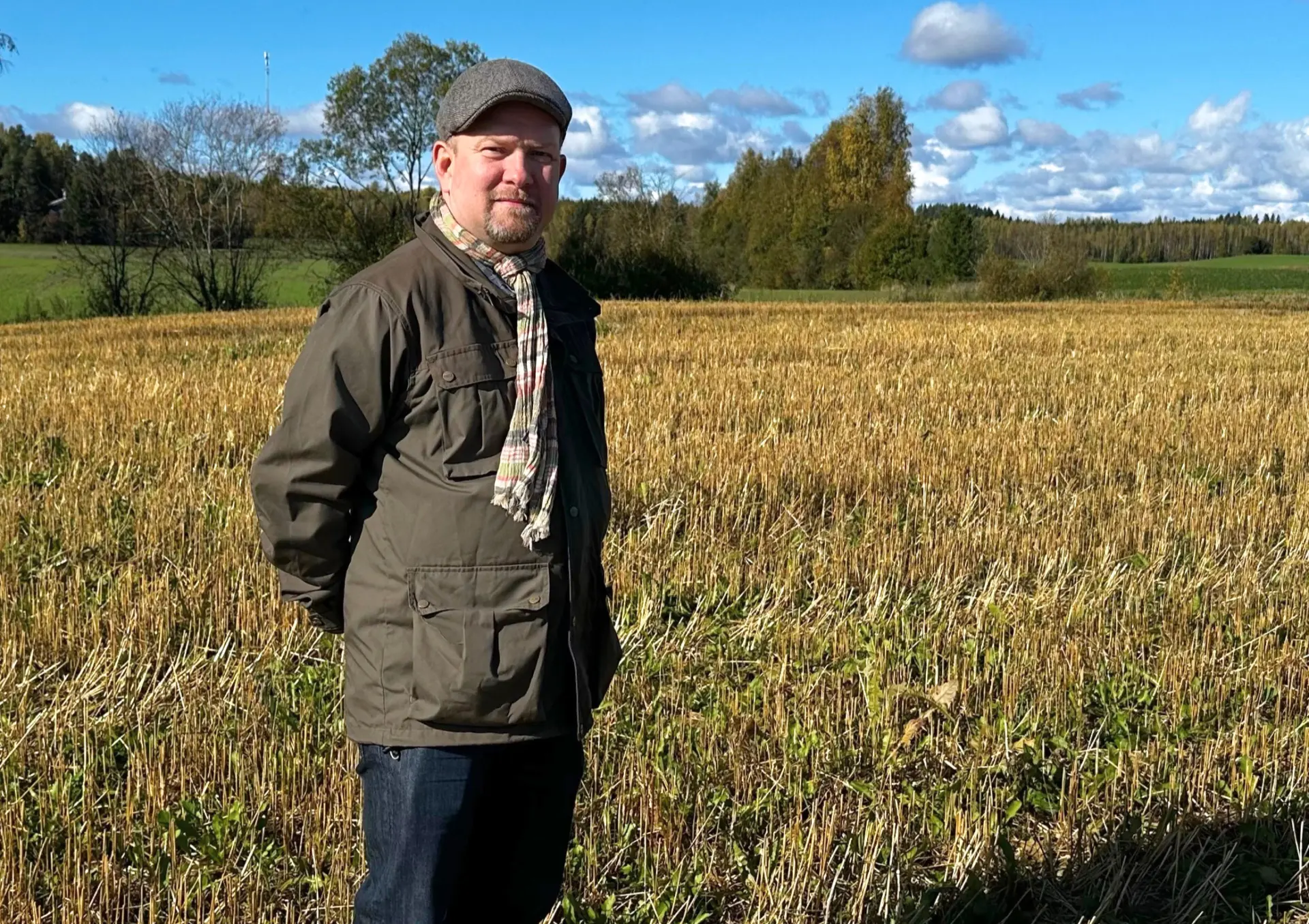
“From an environmental standpoint, agricultural use is the most favourable option. It would be interesting to get more long-term data on what fibre treatment does to field soil. It has a positive effect on nutrients and carbon content, among other things,” says Juha Oksanen. He works at the fibre laboratory of Xamk, South-Eastern Finland University of Applied Sciences, where future bioproduct processes are developed.
Juha Oksanen defended his thesis Assessment of pulp and paper mill sludge utilisation options at Aalto University in Finland on 18 September 2026. The opponent was Professor Mika Horttanainen of LUT University (Lappeenranta–Lahti University of Technology) and the custos Professor Olli Dahl of Aalto University’s School of Chemical Engineering.
The thesis is available here.
What the research showed
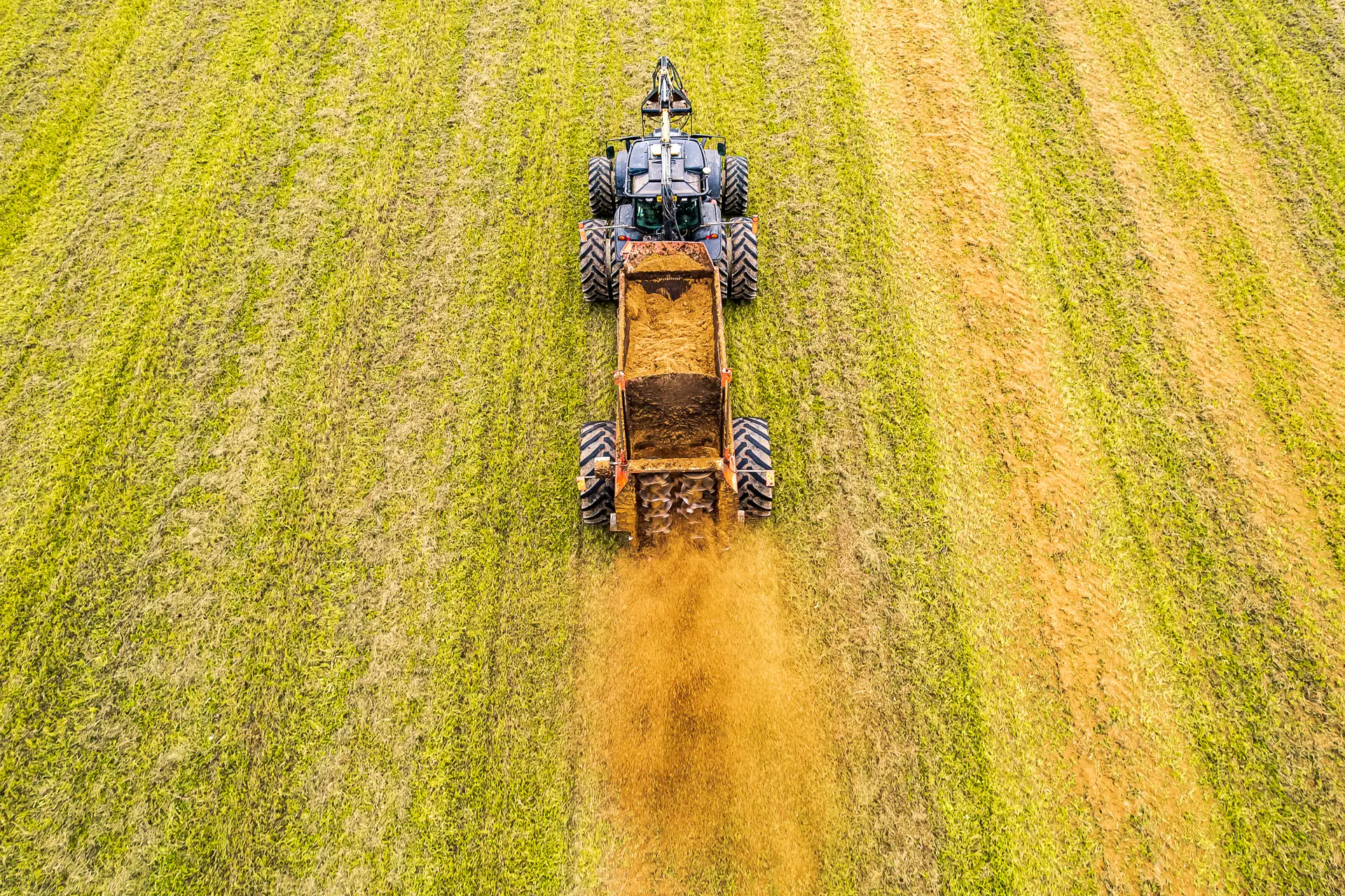
- According to the thesis, the climate impact of agricultural use of the sludge was lower than that of incineration. For composted sludge the difference was 78.6 and for lime-stabilised sludge 113.3 kg CO₂ eq. per tonne of sludge. The difference arose mainly because natural gas was not needed as a support fuel once the sludge was replaced in the boiler with clean bark.
- Agricultural use also reduced eutrophying effects from agriculture, because the soil improvement fibres made from the sludge reduced soil erosion and phosphorus leaching from fields, and replaced mineral fertilisers in food production.
- Agricultural use further reduced acidifying effects, because sulphur dioxide emissions from the boiler fell.
- In outdoor storage, fibre sludge accelerated the decomposition of bark: the net calorific value of the bark fell by 2–7 per cent on a dry basis and by 8–35 per cent on an as-received basis, compared with clean bark.
- The research found that the cadmium content of fibre sludge limits its use in agriculture.